

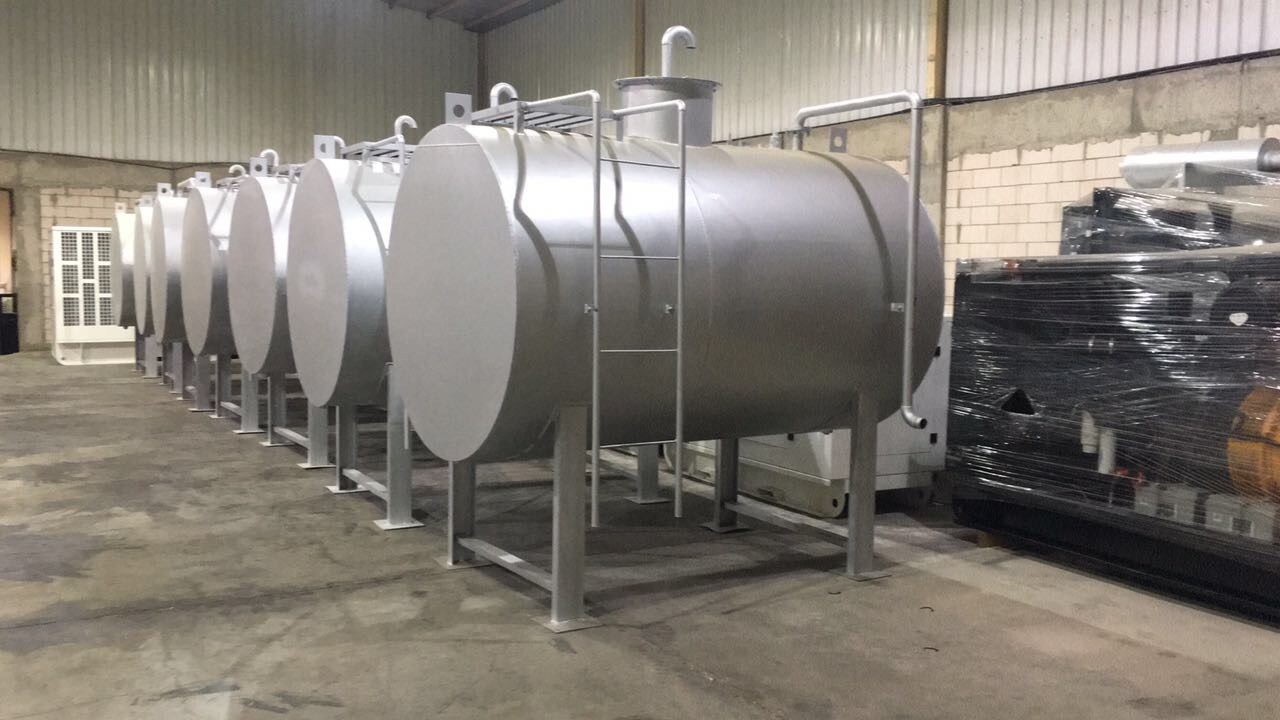
In industrial settings, managing fuel effectively is crucial for maintaining smooth operations and reducing costs. Many facilities rely on large storage tanks to hold fuel, but using a day tank can make fuel management even more efficient. Day tanks provide a smaller, controlled fuel supply that feeds directly into machinery, helping industries save time, money, and energy. This article explores how day tanks improve fuel management and enhance operational efficiency.
What is a Day Tank?
A day tank is a smaller fuel storage unit that stores a limited amount of fuel near the equipment that needs it. Unlike large storage tanks, which hold significant quantities of fuel for long-term use, day tanks supply fuel directly to engines or generators on a daily basis. This design allows for easier monitoring, faster refueling, and better control over fuel usage. In industrial settings, day tanks are often used for diesel, oil, or other types of fuel needed for machines and backup generators.
Simplifying Fuel Delivery
One of the main advantages of using a day tank is that it simplifies fuel delivery. Instead of running long pipelines from large storage tanks to machinery, a day tank places fuel close to the point of use. This reduces the risk of leaks, minimizes fuel loss, and ensures that machines have a steady supply of fuel without interruption. By keeping fuel on-site in smaller amounts, industrial facilities can maintain operations more efficiently and avoid downtime caused by fuel shortages.
Enhancing Safety and Compliance
Day tanks also contribute to improved safety and regulatory compliance. Large fuel storage tanks can pose safety hazards if not managed correctly, including fire risks or environmental contamination. With a day tank, only a small amount of fuel is stored near critical equipment, reducing the potential hazards. Additionally, day tanks often include built-in monitoring systems and alarms to prevent overfilling or spills. This makes it easier for industrial facilities to follow safety regulations and maintain a secure working environment.
Accurate Fuel Monitoring
Monitoring fuel consumption is essential for cost control and operational efficiency. Day tanks allow operators to track fuel usage more accurately because the fuel is stored in a controlled, limited environment. Many modern day tanks come with electronic gauges or digital monitoring systems that record fuel levels in real time. This data helps industrial managers understand how fuel is being consumed, identify inefficiencies, and plan refueling schedules more effectively. Accurate monitoring also helps prevent theft or unauthorized use of fuel.
Reducing Operational Costs
Using a day tank can lead to significant cost savings in the long term. By optimizing fuel delivery, reducing waste, and preventing overuse, industrial facilities can lower overall fuel expenses. Day tanks also reduce the need for large-scale emergency deliveries, which can be costly and disruptive. The ability to monitor and manage fuel more precisely ensures that industries only use what is necessary, reducing both waste and expense.
Supporting Backup Systems
Many industrial settings rely on backup generators for critical operations. A day tank ensures that these generators have a reliable fuel supply at all times. In case of a power outage, having a day tank close to the generator can make the difference between a temporary disruption and a major operational delay. Day tanks provide peace of mind by guaranteeing that fuel is always available when needed, supporting continuous operation and reliability.
Conclusion
Day tanks are an effective solution for improving fuel management in industrial settings. By simplifying fuel delivery, enhancing safety, providing accurate monitoring, and reducing operational costs, day tanks help industries maximize efficiency and maintain smooth operations. Whether for daily fuel supply or emergency backup, incorporating a day tank into fuel management strategies ensures that machinery runs reliably, fuel is used efficiently, and operational risks are minimized. Industrial facilities that adopt day tanks are better equipped to meet their energy needs while controlling costs and maintaining safety standards.